
MaryRecommended by 1 guide
33 Days to Morning Glory: A Do-It-Yourself Retreat In Preparation for Marian Consecration
A thirty-three-day retreat prepares readers for Marian consecration through daily reflection and prayer.

Explore books recommended by Catholic reading guides. Enable JavaScript to search and filter the library.
A thirty-three-day retreat prepares readers for Marian consecration through daily reflection and prayer.

Rice introduces natural law through questions and answers, connecting moral reasoning with debates about how people should live together.

After civilization’s collapse, a monastic community preserves the remnants of human learning. This novel asks what knowledge can—and cannot—do to save us.
Bergsma and Pitre introduce the Old Testament’s books through a Catholic framework, bringing historical study into conversation with theological interpretation.

Scrooge is forced to confront his past, his neighbors’ lives and the future he is making. A short tale of repentance expressed through generosity.
Knox offers commentary on the Gospels, providing a companion for readers who want to consider their meaning more closely.

Short apologetic entries provide daily material for considering objections and questions about Catholic belief.
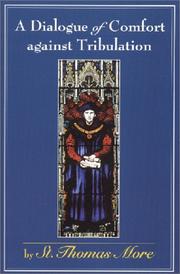
More considers how faith can sustain people under affliction, framing his reflections as a conversation about courage and trust.
Beckman brings the subject of spiritual warfare into family life. A guide for households seeking to strengthen shared prayer and respond to spiritual challenges together.
Two cosmologists explore the apparent fine-tuning of the universe, asking what its physical conditions suggest and how they might be explained.
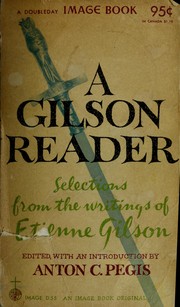
Selected writings offer several entry points into Gilson’s philosophical work. A collection for readers who want to explore before choosing a longer study.
After his wife’s death, Lewis writes candidly about grief, love and the questions suffering raises for faith. A brief but emotionally demanding companion for loss.
Schumacher questions reductive accounts of human knowledge, inviting readers to consider levels of reality and the purposes of understanding.

Waugh’s dark satire follows the collapse of an English marriage and a social world, exposing cruelty beneath polished surfaces.

Thomas More’s refusal to surrender his conscience drives this drama of friendship, political pressure, and the cost of integrity.
An introduction to the Catholic understanding of life’s purpose, connecting belief in God with the choices and responsibilities of everyday living.

Ignatius recounts his journey of conversion and discernment, giving personal context to the spirituality associated with his name.

Joyce follows a young man’s artistic and intellectual formation amid family, religion, and national identity in Ireland.

A reflection on Mother Teresa’s life considers the love behind her service and what her witness asks of readers.

The life of Peter Claver brings readers into the world of his ministry among enslaved Africans in Cartagena.

Vanauken’s memoir recounts love, Christian conversion, and bereavement, asking how profound loss can change a life of faith.

A concise survey of Catholic history. It offers orientation before a reader turns to longer studies of individual periods and controversies.
A brief selection from Aquinas’s Summa Theologiae with guidance from Peter Kreeft. Distinct from Aquinas’s own Compendium of Theology.

Knox recounts his religious journey toward Catholicism, using the image of a journey to illuminate conversion and spiritual belonging.

Lives divided between London and revolutionary Paris converge in Dickens’s novel of injustice, sacrifice, and the possibility of redemption.

Reflections on receiving the present moment in trust and surrender to God. The text invites readers to seek holiness within ordinary circumstances.

Perquin explores relationship with God as Father, inviting readers to deepen the personal meaning of a familiar Christian prayer.
Chrysostom addresses vanity and the upbringing of children, bringing early Christian moral teaching into the responsibilities of family life.

Kerr examines different interpretations of Aquinas, helping readers see why Thomism contains continuing debates rather than a single uniform approach.

Irenaeus answers rival teachings by setting out an account of apostolic faith, Scripture, creation, and salvation.

Manelli examines Mary through Scripture, offering a biblical approach to Marian theology and devotion.
A collection of Catholic reflections offers encouragement and hope through the words of thinkers from the tradition.

Faber explores devotion to Jesus through the many ways love can shape a Christian life, offering expansive spiritual reflection.

Daniel-Rops begins his account of the Catholic Reformation, exploring renewal within the Church during an age of religious division.

The second volume of Daniel-Rops’s account of Catholic renewal continues his historical study of the Catholic Reformation.

Maritain introduces philosophy’s central questions and methods from a Thomistic perspective, providing a foundation for further study.

Davies introduces central questions in the philosophy of religion, providing a framework for examining belief and its critics.
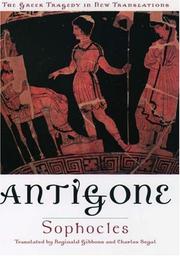
Antigone’s duty to her dead brother clashes with a ruler’s decree, creating a tragedy about conscience, authority, and competing obligations.
Love and imperial ambition pull Antony between Egypt and Rome. Private attachment and public duty become inseparable in this political tragedy.
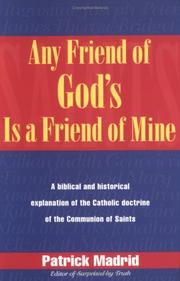
Madrid explains Catholic devotion to the saints, addressing objections to asking their intercession and honoring their witness.
Tertullian’s apologetic writings defend Christianity in its early setting, revealing arguments directed toward a largely non-Christian public.

A structured philosophical defense of Catholic belief. Its textbook approach rewards attention to the distinctions on which each argument depends.

Newman explains the development of his religious convictions, offering a deeply personal defense of his journey into Catholicism.
Van Zeller introduces an approach to Christian Scripture, inviting readers to make biblical reading part of their spiritual attention.

Aquinas offers a compact presentation of Christian teaching. A concentrated encounter with his theology rather than an abridgment written by a later commentator.
An introduction to Aquinas’s metaphysics and philosophy of God. Fradd cautions that the title does not imply light reading.

Burrell studies Aquinas on God and action, inviting careful reflection on the language and concepts used in theology.

What makes a life good? Aristotle examines happiness, friendship, character, and the habits through which people learn to act well.

Eco surveys medieval thinking about art and beauty, offering context for the visual and intellectual culture of the period.

Maritain brings scholastic philosophy to questions of artistic making and beauty, asking what art is and what makes it good.
Ghéon reflects on the art of theatre, inviting readers interested in drama to consider its craft and expressive possibilities.
John of the Cross examines the detachment and purification involved in growth toward union with God, offering demanding spiritual instruction.

Teresa recounts her life and experiences of prayer with candor, offering a personal introduction to one of the Church’s great spiritual teachers.

Kreeft revisits the virtues and their opposing vices as a guide to moral character in a confused age.
Morrow offers a practical introduction to growing in holiness. A guide for readers seeking to make the spiritual life a more deliberate part of daily living.

Staples offers a biblical defense of Catholic Marian teaching, working through common objections about Mary’s role.
A hero faces monsters and the limits of earthly strength in an Anglo-Saxon poem haunted by loyalty, mortality, and remembrance.
Wu’s autobiographical account brings his personal and religious journey into conversation with the cultures of East and West.

Virtue provides the framework for this guide to growing into responsible Christian manhood.

A manufactured society trades freedom, family and truth for comfort. Its imagined world raises difficult questions about human dignity and happiness.

Memory, friendship and a Catholic family frame this novel of longing and grace. Its religious meaning unfolds through flawed people rather than neat lessons.

A year-spanning collection of saints’ lives offers daily encounters with Christian witnesses across different places and periods.
The Church’s systematic exposition of faith, sacraments, moral life and prayer. A reference to return to alongside other reading.

Aquinas gathers interpretations from earlier Christian teachers into a commentary on the Gospels, allowing readers to encounter several patristic voices together.

William Most addresses objections to Catholic belief and the questions raised by modern criticism. Read it alongside the sources and arguments it discusses.
May explores bioethical questions through Catholic moral teaching, examining how respect for human life informs difficult decisions.

A Catholic perspective on educating children at home, exploring the relationship between learning, family and faith.
A systematic treatment of sexual ethics presents arguments within the Catholic moral tradition, suited to readers seeking sustained study.

Keating answers objections to Catholicism associated with Protestant fundamentalism. Scripture, Church history and the differences between the two approaches to authority shape the discussion.

An introduction to the relationship between reason and Catholic faith. It offers a starting point for readers who want to examine the grounds of belief.

De Lubac explores the communal dimensions of Catholic belief, connecting salvation with humanity’s shared destiny in Christ.

Pacwa examines New Age ideas from a Catholic perspective, helping readers compare their religious claims with Catholic teaching.
Pacwa examines New Age beliefs and practices from a Catholic perspective, helping readers consider where the teachings diverge.

A defense of priestly celibacy situated within a wider argument about faith. Read as Hildebrand’s contribution to a contested ecclesial discussion.
Howard contrasts a world understood as mere chance with one experienced as meaningful, exploring the imagination’s role in religious understanding.

Walsh approaches the Inquisition through historical personalities. A Catholic interpretation to read with attention to its perspective and arguments.

Escrivá’s homilies bring the mysteries of Christ into contact with daily life, inviting reflection on holiness in ordinary circumstances.
A theological reflection on Christ’s nearness to humanity, inviting readers to think about what it means to call Jesus our brother.
Marmion reflects on the mysteries of Christ’s life, offering theological meditations suited to reading alongside the Church’s liturgical seasons.

Religious essays consider Christ’s presence in the Church, inviting reflection on the relationship between belief in Jesus and ecclesial life.
Marmion centers the spiritual life on union with Christ, inviting readers to understand holiness as participation in his life.

A theological study of Christian perfection and contemplation, drawing especially on Thomas Aquinas and John of the Cross.

The first volume introduces Pourrat’s historical account of Christian spirituality and its development across the Church’s life.

This second volume continues Pourrat’s history of Christian spirituality, offering a historical setting for the life of prayer.

The third volume in Pourrat’s historical study continues his exploration of the development of Christian spirituality.

Eliot considers the relationship between Christianity and culture, exploring how belief relates to the shape of a society.

Selected writings introduce Dawson’s understanding of Christianity and European culture, offering a broad sampling of his historical perspective.

Kreeft guides readers through Pascal’s Pensées, using their questions about happiness, reason, and faith to address modern unbelief.

A Christmas dramatic work brings the feast into a marketplace setting, joining religious subject matter with theatrical presentation.
Meynell’s collected poetry offers a sustained encounter with her verse, inviting slow attention to language, perception, and feeling.

A systematic argument for Catholic belief, written in the tradition of philosophical apologetics. Its sequence of arguments suits readers willing to work through definitions and premises carefully.

A historical novel of love and Catholic fidelity under persecution in Elizabethan England, where personal loyalties carry a dangerous cost.

Aquinas examines Job’s questions of suffering and divine providence, providing a philosophical and theological companion to the biblical book.

Aquinas follows Paul’s argument in Romans, offering a theological commentary for readers working carefully through the letter.

Bernard’s treatment of the Song of Songs turns biblical love poetry into sustained reflection on the soul’s relationship with God.

An examination of communism through the question of the human person: what a political system assumes about people and their purpose.
Connors examines assisted reproduction from a pro-life perspective, inviting reflection on the ethical questions surrounding the creation of human life.

A searching autobiography addressed to God: Augustine follows desire, ambition and grace from his youth through conversion. Later books turn to memory, time and creation.

A guide to devotion and consecration to St. Joseph. Readers are invited to contemplate his spiritual fatherhood and make room for his example in their lives.
A practical introduction to mental prayer encourages a conversational relationship with Christ and a more regular interior life.

Rohrbach introduces mental prayer through conversation with Christ, offering a practical approach for readers beginning a more regular prayer life.

Burke examines marriage through the connection between love, commitment, and happiness, offering a Catholic reflection on the marital covenant.

John Paul II responds to questions about Christianity and the modern world, offering a conversational entry into his thought.

Anselm asks why God became human, presenting a sustained argument about sin, reconciliation, and the meaning of the Incarnation.

Daily meditations centered on great prayers offer a structured way to bring reflection into an ordinary routine.
A companion for following the Mass and praying with the Church. The missal gathers liturgical texts for regular use; choose an edition that matches the calendar and translation you need.
John of the Cross explores spiritual purification through the image of night, addressing experiences that can unsettle a life of prayer.
Esolen presents arguments in defense of traditional marriage. A work of cultural and moral argument for readers examining the meaning of marriage and its place in society.

A supernatural novel in which fear, self-absorption, and the willingness to bear another’s burdens have consequences beyond ordinary sight.

A practical treatment of obstacles in mental prayer addresses readers who find interior prayer difficult or discouraging.

Writings on discipline, morality, and ascetic practice show Tertullian engaging the practical demands of early Christian life.

Newman’s addresses bring Christian teaching to a varied audience, preserving the direct and searching character of his preaching.
Meditations invite sustained prayer and a deeper interior life. Best approached slowly, giving each reflection room to become a personal conversation with God.
The council’s constitutions, decrees and declarations address the Church, liturgy, revelation and its engagement with the modern world.
A dialogue introduces Aquinas’s arguments for God through questions and objections.

A collection of conciliar and papal texts gives direct access to doctrinal statements from Trent, Vatican I, and related documents.

An idealistic knight and his practical companion travel through adventures that test the boundaries between imagination, dignity, and delusion.

Early Christian texts gathered under the name Apostolic Fathers reveal the teaching, worship, and concerns of communities near the apostolic age.

Bede tells the story of Christianity among the English, preserving an influential early account of the Church’s development in Britain.
Waugh recounts the life of the Jesuit Edmund Campion, placing his mission and martyrdom within Elizabethan England.

Knox examines religious movements marked by intense claims of spiritual inspiration, offering a historical study of enthusiasm and its difficulties.

Newman asks how Christian doctrine can develop while remaining faithful to its origins, offering a major argument about continuity and change.

A collection of Meynell’s essays offers a different encounter with the writer’s voice from her poetry.

Stein’s essays examine womanhood and vocation, bringing philosophical reflection into conversation with education and Christian life.

Brownson’s essays bring theology into conversation with politics and socialism, showing a Catholic thinker engaging the arguments of his age.
Hildebrand develops a philosophical account of moral life, focusing attention on value and the personal response it calls forth.

Belloc argues for Catholicism’s central place in the formation of Europe, presenting an influential and strongly stated interpretation of its history.

Neiman traces philosophical reflection on evil through modern thought, using the problem of suffering as a guide to intellectual history.

Augustine’s exposition of these psalms connects their language with Christian prayer, interpretation, and the life of the Church.

Pieper examines the theological virtues, asking what faith, hope, and love mean and how they shape human life.

Polkinghorne brings scientific inquiry and religious belief into conversation, asking how each contributes to human understanding.
Dubay introduces the contemplative teaching of Teresa of Avila and John of the Cross, connecting their writings with growth in prayer.

Justin defends Christians and their beliefs before a non-Christian audience, offering an early account of Christian worship and intellectual argument.
Feser develops five philosophical arguments for God’s existence, inviting readers into sustained reasoning rather than brief apologetic slogans.

Pacwa addresses frustrations in Catholic life, inviting readers to work through them without giving up on faith.
Wu examines natural law and the foundations of justice, bringing philosophical questions about right and wrong into conversation with legal thought.
A scientist brings a creature to life and abandons it. Their conflict asks what a creator owes his creation and what happens when suffering becomes revenge.

An exploration of freedom and grace asks how human decisions relate to divine action and the course of a life.

Baur considers regular confession as part of spiritual growth, directing attention to the sacrament’s place in ongoing Christian formation.

Homilies explore friendship with God through Christian virtues and everyday life, giving extended form to Escrivá’s spiritual teaching.

A systematic reference to Catholic doctrine, connecting theological claims with Scripture and tradition. Best suited to readers seeking precise explanations and deeper study.

Essays introduce central Christian beliefs and the questions they raise. Kreeft’s conversational approach invites readers to examine both arguments and their implications for life.
Brief reflections encourage readers to bring prayer, virtue and love of God into work, relationships and ordinary daily duties.

Alberione considers Mary’s virtues as subjects for devotion and imitation, connecting Marian reflection with growth in Christian life.

McCabe’s theological essays consider questions about God and Christian life, bringing careful reasoning to matters of belief.

McCabe’s theological writing returns to questions about God and Christian belief, combining intellectual inquiry with direct engagement.

Marion questions whether the language of being adequately names God, offering a demanding encounter between philosophy and theology.
Baggett and Walls develop a moral argument for God, connecting questions of goodness and obligation with a theistic worldview.

A sustained examination of growth in holiness considers the progress and difficulties of the spiritual life.

A compact introduction to Aquinas’s life, thought and intellectual setting.
Gulliver’s voyages expose human vanity and political folly through strange societies, making fantastic travel the vehicle for sharp satire.

Hahn explores Mary’s place in Scripture and Catholic faith. A starting point for readers curious about the biblical roots of Marian devotion.
A grieving prince investigates his father’s death. His pursuit of revenge draws the court into questions of conscience, truth and responsibility.

A reference for exploring arguments and objections about Catholic belief, organized to help readers think through questions of faith.
A systematic guide to arguments about God, Christianity and common objections to belief. It addresses broadly Christian claims; the later Catholic adaptation is a separate work.
Horn addresses difficult biblical passages, helping readers examine objections concerning Scripture’s meaning and moral claims.

Rahner explores the human capacity to receive revelation, laying philosophical groundwork for thinking about religious belief.

Waugh’s historical novel follows Helena, mother of Constantine, bringing wit and religious imagination to a search associated with the Holy Cross.

Gilson traces philosophical thinking within medieval Christianity, introducing the thinkers and arguments that shaped its intellectual tradition.
Medved argues that popular entertainment is often at odds with American values, offering a critical perspective on film and cultural influence.
Eymard reflects on Holy Communion, inviting readers to deepen their preparation, reception, and thanksgiving.

Rasmussen builds a philosophical case for God through reason, inviting readers to follow an extended argument about reality’s foundation.

Belloc offers his explanation of the Reformation, connecting religious change with the historical forces that shaped Europe.

Kreeft brings the call to holiness into everyday life. These first steps invite readers to consider sainthood as a personal calling and begin responding to it.

Eymard directs attention to receiving Holy Communion with greater spiritual awareness, encouraging preparation and thanksgiving.
Turn spiritual reading into a lasting habit. Burbach’s reading plans help readers make regular space for books that nourish faith and prayer.
Paul VI’s encyclical considers married love, responsible parenthood and the Church’s teaching on the transmission of life.
A Catholic edition of Scripture for reading, prayer and study. The RSV translation offers a formal style suited to attentive reading alongside a commentary.
Notes and study materials accompany the New Testament, providing Catholic context for reading its books more closely.
Longenecker approaches the spiritual struggle at the heart of Christian life. A book for readers seeking to understand how faith confronts evil and calls for conversion.
Daily meditations offer a starting point for personal prayer throughout the year. This multivolume collection is designed for regular reflection rather than reading straight through.

Baur invites readers into silence with God, offering material for reflective prayer and the cultivation of an interior life.

An exploration of becoming like Christ asks how his life can shape the believer’s character and spiritual growth.
Philippe invites readers to become more attentive to the Holy Spirit. A short spiritual guide for those seeking greater openness to God in ordinary decisions.

Pius IX’s apostolic constitution defines the Immaculate Conception, providing the papal document behind a central Marian dogma.

Lonergan examines the activity of understanding itself, offering a demanding philosophical inquiry into knowledge and human knowing.
An exploration of the Carmelite spiritual life organized around love, inviting readers to consider the inward journey of prayer.
A short spiritual guide to finding inner freedom through faith, hope and love, even when outward circumstances cannot be changed.
A structured introduction to Catholic belief and practice. It offers readers a framework for studying the faith as a connected whole.
Ratzinger explores Christian belief through the Apostles’ Creed, bringing faith into conversation with the questions of modern thought.

Ratzinger and Schönborn introduce the Catechism’s purpose and character, offering orientation before readers enter its larger presentation of the faith.

Francis de Sales offers practical spiritual counsel for people living in the world. Prayer, work, friendship and ordinary obligations all belong within a devout life.

Loke investigates arguments concerning Jesus’ Resurrection, comparing explanations of the evidence within a focused historical and philosophical study.

Shrier investigates adolescent gender transition through a critical journalistic argument. Readers should distinguish its advocacy from individualized clinical guidance.

A biography of Isabella of Spain offers Walsh’s interpretation of the queen and the religious world of her reign.
Kreeft invites readers to approach truth step by step. This philosophical guide suits those who want to think more carefully about belief and the questions beneath it.

Selected letters reveal Jerome as a correspondent, giving personal form to concerns of Christian learning and life.

The first volume opens Prat’s study of Jesus’ life, teaching, and work, inviting readers into a sustained theological account.

The second volume continues Prat’s study of Jesus’ life, teaching, and work, completing a sustained theological account.

Sanders studies Jesus within the Judaism of his time, offering a historical approach to questions about his life and mission.
Pitre explores Mary through Jewish Scripture and tradition. A biblical approach for readers seeking to understand Catholic beliefs about the mother of Jesus.
Pitre places Eucharistic belief against its Jewish biblical background, exploring how that setting illuminates Jesus’ words and actions.

Wright examines Jesus’ activity and message within their first-century setting, developing a historical argument about his aims and identity.
Benedict XVI reads the Gospels in search of the person of Jesus, from his baptism through the Transfiguration. A substantial invitation to study and contemplation.

Benedict XVI reflects on Jesus’ final days, death and Resurrection. A companion for reading the Gospel events at the heart of Holy Week and Easter.

Benedict XVI reflects on the Gospel accounts of Jesus’ conception and birth. A focused companion for contemplating the Incarnation during Advent and Christmas.

Contributors explore John Paul II’s call for a new evangelization, considering how the Christian message is communicated and lived.
An anthology offers several entry points into Pieper’s philosophical writing, allowing readers to explore his voice and recurring concerns.
John XXIII’s spiritual writings reveal a life of prayer and self-examination, offering personal context for the pope’s public ministry.
Conspirators claim to defend Rome by killing Caesar. Their choices test political loyalty, persuasive speech and the gap between intention and consequence.
Jørgensen tells his own story in an autobiographical work, offering personal context for the writer known for his lives of saints.
An aging king confuses flattery with love and divides his kingdom. Loss strips away his authority and exposes human vulnerability.

Undset follows a woman’s life in medieval Norway through love, family, failure, and faith, giving moral choices their full human weight.
Newman addresses the position of Catholics in England, engaging the public arguments and prejudices of his setting.

Chesterton transforms the naval battle of Lepanto into a ringing narrative poem, rich in rhythm, historical imagery, and religious symbolism.
Ignatius’ correspondence and instructions show spiritual guidance taking practical form in relationships, responsibilities, and decisions.
Letters from Claudel to his goddaughter reveal a personal side of the poet’s religious and literary voice.
Letters provide a conversational way into questions about Catholic worship. Longenecker invites readers to consider the meaning and practice of liturgy.

Letters written by Ignatius of Antioch address Christian communities, emphasizing their common life, leadership, and fidelity to Christ.

Kimberly Hahn reflects on marriage, openness to life and the meaning of family within Catholic faith.

Athanasius recounts Anthony’s life in the desert, offering an influential early portrait of ascetic struggle and Christian holiness.
Fulton Sheen meditates on the life, teaching, death and resurrection of Jesus. A sustained encounter with Christ through the Gospel narrative.

An adapted presentation of Catherine of Siena’s spiritual dialogue. Check the edition carefully when choosing between an accessible adaptation and the complete text.

A historical and spiritual introduction to liturgical prayer asks how the Church’s common worship has developed and what animates it.

Jerome and Gennadius offer brief accounts of Christian writers, opening a historical window onto the early Church’s literary life.

Chaput returns to the basics of Catholic belief and asks what it means to live that faith in daily life.

Hahn and Aquilina invite readers to grow in Christian life through reflection on the mysteries of the faith.
![Cover of Lord of the World [Facsimile of 1907 First British Edition]](https://covers.openlibrary.org/b/isbn/1614277915-M.jpg?default=false)
Benson imagines a future confrontation between Catholic faith and a powerful secular order, creating a religious dystopia about allegiance and hope.

Percy uses the form of a self-help book to unsettle comfortable ideas about identity, language and modern life. Satire opens into serious philosophical questions.

Family stories invite readers to notice the small acts of love through which faith takes shape at home.

Percy’s satirical novel follows a troubled physician through a fractured America, bringing questions about the soul into an unsettling comic world.
Gospel meditations gathered into one edition offer material for prayerful reading alongside the biblical accounts of Jesus.
A promised crown awakens murderous ambition. Macbeth follows the consequences of choosing power over conscience.
Miller and Horn help parents discuss moral questions with children, presenting guidance grounded in Catholic teaching.

Bernard’s homilies in praise of Mary bring monastic preaching into Marian devotion, inviting slow, prayerful reading.
A collection inviting men to grow in their Catholic lives. Its contributors encourage a fuller engagement with faith and the responsibilities of everyday living.

John Paul II’s sustained reflections explore the human body, sexual difference, marriage and the Christian vocation to love. This edition uses Michael Waldstein’s translation.
Carrel reflects on the human person from a scientific and philosophical perspective. A historical work whose claims call for critical reading.
An exuberant stranger disrupts a boarding house and forces its residents to reconsider their assumptions about sanity, freedom and the wonder of ordinary life.
A Catholic manual for facing spiritual struggle. It invites readers to approach the battle against temptation through faith, prayer and the resources of the Church.
Frankl connects his experience of concentration-camp imprisonment with reflection on the human search for meaning amid suffering.
Belloc recounts Marie Antoinette’s life, offering a biographical route into the world overturned by the French Revolution.

Scheeben’s theological study of Mary offers a sustained treatment for readers seeking more than an introductory devotional account.
Sheed examines marriage and family life from a Catholic perspective, connecting these familiar relationships with larger questions of faith.

Hildebrand reflects on marriage as a relationship of faithful personal love, joining philosophical attention to a Catholic understanding of the sacrament.
Giordani turns to Mary of Nazareth as the subject of a devotional portrait, inviting reflection on her place in Christian life.

Suárez reflects on Mary of Nazareth, inviting readers to consider her life as a subject for Christian meditation.
Newman explores Mary’s place in Christian belief through the early Church’s comparison of Mary and Eve.

Brief meditations associated with Mother Teresa’s Simple Path invite reflection on prayer, love, and service in daily life.

Private reflections by a Roman emperor explore duty, mortality, self-command, and living well within circumstances one cannot control.
Broussard addresses Protestant objections to Catholic teaching, organizing responses around the biblical passages raised in those disagreements.

Selected sermons and other writings introduce Eckhart’s mystical thought, offering a challenging encounter with medieval spiritual language.

A study guide introduces John Paul II’s theology of the body and its account of love, embodiment and the relationship between men and women.

Sri introduces practical insights from John Paul II’s Love and Responsibility. A companion for reflecting on love, relationships and the dignity of the other person.

Lewis builds a case for shared Christian belief from moral experience, then explores faith, conduct and the transformation of the person. It is not a specifically Catholic catechism.

Lewis asks whether miracles are possible and what accepting them would mean for our understanding of nature and Christianity.

A Marian devotional work presented under Bonaventure’s name, inviting reflection on the Virgin Mary through the tradition of medieval spirituality.
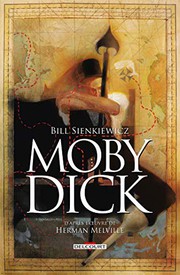
A whaling voyage becomes a vast exploration of obsession, evil and the limits of human knowledge. Its many digressions are part of the experience.

A historical introduction to philosophy from Descartes to Kant, following changing accounts of knowledge, reality, and reason.

A month of reflections joins Marian devotion with attention to the Blessed Sacrament, offering a structured devotional companion.

A theological and spiritual study of Mary considers her relationship to Christ’s saving work and to the believer’s interior life.
Farrell and Healy present Thomistic teaching for a wider readership, offering a compact guide to life through Aquinas’ thought.
Contributors argue against Scripture alone as a sufficient rule of faith, presenting a Catholic case concerning authority and tradition.

Lunn recounts his path toward Catholic belief, giving a personal account of the questions and arguments behind his conversion.
A king’s search for the cause of his city’s suffering turns toward his own identity in a tragedy of knowledge and responsibility.

The aged Oedipus seeks a final place of refuge, bringing his suffering and estrangement toward an unexpected conclusion.

Augustine examines true worship and the search for God, bringing philosophical inquiry into conversation with Christian belief.

Augustine reflects on Genesis, bringing questions about creation and scriptural interpretation into theological inquiry.

Bernard asks why and how God should be loved, tracing the movement of love beyond self-interest toward God himself.

Irenaeus presents Christian teaching through the unfolding story of Scripture, connecting apostolic faith with God’s work in history.

Athanasius explores why the Word became flesh, connecting the Incarnation with humanity’s restoration and victory over death.
Cyprian interprets the Lord’s Prayer, offering an early Christian companion to its petitions and their meaning for common life.

Chrysostom reflects on the responsibilities and difficulties of priestly ministry, emphasizing the seriousness of care for souls.
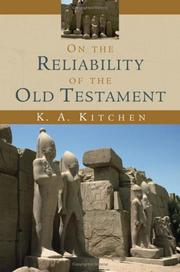
Kitchen examines the historical reliability of the Old Testament, presenting a scholarly argument about its ancient setting and records.
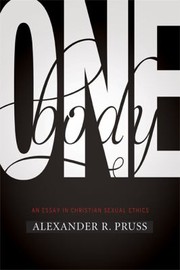
Pruss develops a philosophical account of Christian sexual ethics, examining the moral significance of bodily union and commitment.
DeRosa responds to common atheist arguments and slogans, offering a Catholic apologetic approach to questions about God and belief.

An exploration of identification with Christ, considering what it means for a Christian’s life to become increasingly united with his.

Hahn recounts his encounter with Opus Dei and reflects on discovering holiness through ordinary work.

Origen answers the critic Celsus, preserving a substantial early debate between Christianity and an educated pagan opponent.

Origen’s early systematic treatment of Christian teaching opens a window onto the possibilities and controversies of ancient theology.

Origen interprets the Song of Songs spiritually, reading its language of love as material for Christian contemplation.
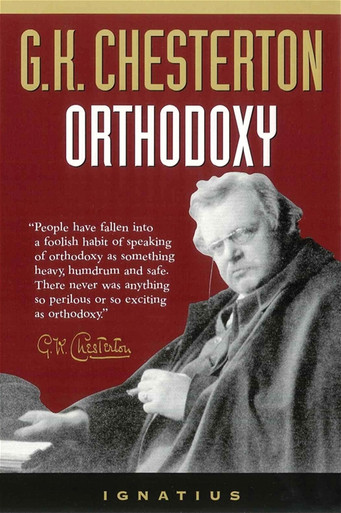
Chesterton retraces his discovery of Christian belief through wonder, paradox and common sense. Read it as an intellectual adventure rather than a systematic catechism.
Iago turns insinuation into a weapon against Othello’s marriage. A tragedy about jealousy, trust and the willingness to believe a destructive story.

Walsh recounts the events associated with Our Lady of Fatima, offering a historical and devotional treatment of the apparitions.

Carroll considers Our Lady of Guadalupe within the history of Mexico’s encounter with Christianity, presenting a Catholic historical narrative.

Ordinary days in a small town become a meditation on love, mortality, and the beauty people overlook while living their lives.

Esolen examines American cultural life and argues for its renewal. Readers are invited to consider what a community needs to preserve and pass on.

A biographical study of Paul invites readers to follow the apostle’s life and encounter his place in early Christianity.
Milton’s epic retells humanity’s fall, giving poetic form to rebellion, freedom, temptation, and the problem of obedience.

Short theological reflections explore the tensions and surprises of Christian faith, inviting readers to pause over compact ideas.

Newman’s sermons invite examination of conscience and growth in faith, combining pastoral directness with close attention to Christian teaching.

This volume of Newman’s sermons brings searching Christian reflection to the concerns of everyday belief and conduct.

Dupré examines the transition to modernity through changing understandings of nature and culture, offering an interpretive intellectual history.

Ullathorne considers patience and humility as virtues to cultivate, offering material for reflection on everyday spiritual formation.
Short sermon notes drawn from Origen’s writings offer an indirect introduction to his preaching and interpretation of Scripture.

Sheen examines the search for inner peace through a Christian understanding of the soul, moral responsibility, and reconciliation with God.
Pascal’s unfinished reflections probe greatness and misery, reason and belief. Its fragmentary form rewards returning to individual passages.

On a new world, Lewis reimagines temptation and obedience through a struggle whose outcome reaches beyond one person’s choices.

Reminiscences, a spiritual diary, letters, and the Spiritual Exercises gather several ways of encountering Ignatius’ life and teaching.
A study of personal formation in relation to Christ, inviting readers to consider how Christian identity shapes character.
Horn considers how to discuss abortion persuasively, focusing on arguments and conversations from a pro-life perspective.

Wittgenstein investigates how language works in ordinary life, challenging assumptions about meaning, thought, and philosophical problems.

Hadot explores ancient philosophy as a practice of living, inviting readers to consider philosophical study as personal formation.
Bocheński introduces philosophy as a discipline of questioning and reasoning, offering orientation for readers beginning philosophical study.

Journeys through Franciscan Italy connect places and spiritual memory, offering a travel companion for readers drawn to Franciscan history.

Plato’s collected works invite sustained exploration of the dialogues and their questions about knowledge, justice, love, and the good life.

Thompson’s poetry offers an encounter with a richly figurative religious imagination, rewarding readers willing to linger over its language.

Patmore’s verse offers a poetic exploration of human experience through an intensely attentive literary voice.

Poems and prose offer an introduction to Hopkins’ distinctive language, attentive observation, and religious imagination.

A collection of Faber’s poems offers an encounter with the literary voice behind his devotional and spiritual writings.
Madrid addresses objections and misconceptions about the papacy, presenting a Catholic defense of its claims and history.
Heschmeyer makes a biblical case for Peter’s role in the papacy, examining the apostle’s place in the New Testament.
Kreeft brings the thought of St. Thomas Aquinas into questions of spiritual growth and everyday Christian living.

Balthasar reflects on Christian prayer as attention to God, offering a theological companion to the practice of contemplation.
Dubay introduces the life of prayer for readers ready to begin or begin again. A welcoming first step toward a more sustained relationship with God.
Maritain considers prayer in relation to intellectual life, inviting reflection on how understanding and contemplation belong together.

Essays bring prayer and intellectual life into conversation. Maritain considers how the pursuit of truth relates to spiritual attention.

A sustained appeal to the necessity of prayer, connecting the practice of turning to God with salvation and spiritual growth.

Eucharistic meditations draw on Dorothy Day’s witness to connect prayer with a life attentive to others.

Eucharistic prayer with Thomas Aquinas offers a way to contemplate Christ’s presence and deepen devotion.
Devotions for people whose days are full of duties. Van Zeller considers how work itself can become part of a prayerful life.
Elizabeth Bennet and Mr. Darcy must reconsider their first judgments. Courtship unfolds amid family pressures, social rank and the difficult work of knowing oneself.

The children return to a changed Narnia, where a young prince struggles to restore a forgotten inheritance against usurping power.

Alcorn presents pro-life responses to arguments for abortion, offering a work of advocacy organized around disputed questions.

Leen presents mental prayer as a means of spiritual growth, offering a sustained treatment of the practice of interior prayer.

A historical inquiry into religion and ideas of progress, challenging readers to reconsider how civilizations develop and understand themselves.
Broussard presents arguments for purgatory and responds to objections, connecting the doctrine with questions about purification and salvation.

A theological exploration of purgatory and heaven, addressing Christian questions about purification and life with God beyond death.

A historical novel set in Nero’s Rome places love and early Christian witness against the violence and power of the imperial world.

Lewis addresses fathers seeking to guide their sons toward responsible adulthood. A Christian parenting book about taking an intentional role in a son’s formation.

Garrigou-Lagrange presents a synthesis of Thomistic philosophy and theology, providing a structured overview for sustained study.
Arendzen examines the relationship between reason and revelation, introducing questions about how thought and faith relate.
Craig presents a systematic defense of Christian belief, bringing philosophical arguments together with historical questions about Jesus.

An edited collection of Catholic apologetic essays. Useful for comparing several writers’ approaches to explaining and defending the faith.
Topping considers how Catholic belief can shape a shared culture. A book for readers interested in carrying the faith into the life of communities.

A survey of philosophy from Hegel to Sartre, placing influential modern thinkers within a connected intellectual history.

This volume surveys philosophical thought from Bentham to Dewey, offering a route into major debates of the modern period.

A defense of Marian doctrines responds to objections, offering readers an apologetic treatment of Catholic teaching about Mary.

Robillard examines claims about reincarnation, inviting readers to consider the arguments behind a belief distinct from Christian resurrection.

Selections from Dawson’s work explore religion’s place in world history. A broad entry point into his approach to culture and civilization.

Dawson examines religion’s formative place in medieval civilization, asking how Christian belief shaped the culture of the West.

Chaput considers how Catholics can serve their country while living their faith. A guide to thinking about belief, conscience and participation in political life.

Scott and Kimberly Hahn tell the story of their journey into the Catholic Church, including its theological questions and effects on their marriage.
Two young lovers attempt to build a life across a family feud. Their tragedy reveals how inherited hatred can destroy what people most cherish.

Adam examines the religious roots of the Reformation, offering a Catholic interpretation of a decisive division in Christian history.

Undset turns from historical fiction to the lives of saints, offering readers another way into the religious past.
A biography of Bernadette Soubirous offers a sustained account of the life associated with the apparitions at Lourdes.
This first volume traces Bridget of Sweden’s life from 1303 to 1349, beginning a sustained account of her story.
The second volume follows Bridget of Sweden from 1349 to 1373, continuing Jørgensen’s biographical portrait.

Jørgensen offers a biographical encounter with Catherine of Siena, placing the saint’s life at the center of his narrative.

A portrait of Margaret of Cortona offers an encounter with the saint’s life through Mauriac’s religious imagination.
Chesterton introduces Thomas Aquinas through a lively portrait of his character and thought. An inviting doorway into a much larger philosophical world.

Barber introduces the Catholic understanding of salvation, connecting biblical teaching with the transformation of Christian life.

Hauerwas considers holiness through Christian life and witness, asking how the Church embodies the truth it professes.
Explore salvation through a Catholic reading of Scripture. Pacwa’s study guide invites readers to work through biblical passages and reflect on what being saved means.
A Catholic examination of the claim that Scripture alone provides the rule of Christian faith, inviting readers to consider the relationship between Bible and Tradition.

Ghéon turns to the saints as subjects of spiritual reflection, inviting readers to look beyond familiar outlines of holy lives.
Hildebrand reflects on spiritual direction, inviting readers to consider the guidance and formation involved in a serious interior life.
Two sisters respond differently to love and disappointment. Austen’s comedy tests both emotional self-command and the judgments people make about one another.
A selection of Newman’s preaching and addresses offers several encounters with his searching religious voice and pastoral concerns.

Kippley develops an account of sexual morality centered on the marriage covenant, presenting an argument within Catholic moral thought.

Endō’s novel follows a missionary into persecuted Japan, confronting painful questions about faithfulness, suffering, and the apparent silence of God.

Wright introduces Christianity through human longings and the biblical story, writing for readers exploring why Christian belief might make sense.
A strange challenge sends Gawain into a test of courage and honesty, where knightly reputation meets human vulnerability.

Kreeft introduces logic through questions, arguments, and classical principles, helping readers examine how sound reasoning works.

Muggeridge introduces Mother Teresa and her work, reflecting on the witness of a life given to others.
The life of Mother Alphonsa offers a portrait of vocation shaped by sorrow and service to others.

Scupoli presents spiritual struggle as a daily discipline, inviting readers to examine temptation and cultivate trust in God.

Faber’s spiritual conferences consider subjects including kindness, death, and self-deception, bringing the examination of daily life into prayer.
Ignatius offers a structured course of prayer, reflection, and discernment, designed to help a person respond more freely to God.

Aumann offers a systematic introduction to spiritual theology, examining the principles and practices of growth toward holiness.

Anselm’s prayers and meditations offer direct material for devotion, revealing a different register from his philosophical arguments.
Chesterton considers Francis through the freedom of radical gratitude and poverty. A vivid spiritual portrait rather than an exhaustive scholarly biography.

Chesterton’s portraits of Francis and Aquinas bring two contrasting saints together, inviting readers to encounter their spiritual and intellectual vitality.
Connors presents a pro-life approach to conversations about abortion, directing attention to the questions that shape the disagreement.

Thérèse’s account of ordinary love and trust in God introduces her “little way.” Small acts become a serious response to the call to holiness.
A vast, question-by-question exploration of God, creation, human action and Christ. Best approached with a guide or a carefully chosen sequence of questions.
Selected passages of Aquinas’s Summa Theologiae with explanatory material from Peter Kreeft.

Eleven conversion accounts examine the biblical and historical questions that led their authors toward Catholicism. The varied stories can help readers identify questions to explore more deeply.

Lewis recalls the intellectual and imaginative journey that led him toward Christian belief, with elusive experiences of joy as a recurring thread.

Belloc considers old and emerging challenges to Catholic belief, offering a polemical view of the Church’s cultural opponents.

Lunn explores Switzerland through literary, historical, and geographical landmarks, offering a guide for readers drawn to place and cultural memory.
Möhler compares Catholic and Protestant teaching through their confessional traditions, offering a historical work of comparative theology.

The first volume of McClendon’s systematic theology approaches Christian thought through ethics and the shape of lived belief.
A treatment of the Trinity written for lay readers, addressing Christianity’s confession of one God in three persons.
Meditations on trust invite readers to consider confidence in God as a habit of the spiritual life.

Brief meditations draw on St. Ignatius to bring prayer and spiritual attention into the working day.

Akin explains Catholic teaching authority, helping readers distinguish kinds of Church teaching and the responses they call for.
Anderson and DeSanctis argue against abortion through its effects on individuals and society, offering a work of pro-life advocacy.
Medwick offers a biography of Teresa of Avila, providing historical and personal context for the Carmelite reformer and spiritual writer.

A two-book collection provides an entry into Tertullian’s early Christian writing. Consult the edition’s contents for the works included.

Three early Christian writers interpret the Lord’s Prayer, offering historical companions for praying words that remain familiar today.
Three lectures on education, moral judgment and what happens when human values are treated as merely subjective.
Aeneas carries the losses of Troy toward a new homeland, in an epic where duty and destiny demand personal sacrifice.

A historical account follows Christianity from Diocletian to Constantine, tracing the passage from persecution toward a changed imperial setting.

Gibbons reflects on the calling represented by an ambassador of Christ, directing attention to the responsibilities of religious ministry.

Plato presents Socrates’ defense before his Athenian judges, raising enduring questions about conscience, wisdom, and the examined life.
A theological study of the Church’s apostolic hierarchy, examining ordained authority within Journet’s larger account of the Church.
Aquinas’s catechetical teaching introduces central prayers and articles of Christian belief.
A traditional Christian guide to preparing for death. This translation invites reflection on spiritual care at life’s end and the habits that prepare us to face it.

Bellarmine treats preparation for death as a question about how to live, inviting reflection on a life directed toward God.

Bellarmine invites contemplation of the created world as a path toward God, joining spiritual reflection with attention to creation.

Augustine answers a request for a compact account of Christian belief and life. Faith, hope and charity organize his discussion of the Creed, prayer and the love of God.

Margaret Mary recounts her life in her own words, offering a personal encounter with the saint associated with Sacred Heart devotion.
A Christian and an atheist attempt to settle their quarrel through a duel. Their encounters become a comic exploration of conviction, reason and a society afraid of serious disagreement.
Chesterton’s epic poem imagines Alfred’s struggle against the Danes through a vision of Christian hope, courage and the repeated work of preserving a civilization.
Knox explains the foundations of Catholic belief, offering an apologetic account for readers examining why the Church makes its claims.

Dreher proposes deliberate Christian community as a response to a secular culture. A discussion-provoking book about sustaining faith through shared habits and institutions.

Two lovers struggle to marry amid coercion, upheaval, and plague in seventeenth-century Lombardy. Manzoni’s novel explores providence, injustice, and forgiveness.
Akin examines the Bible’s relationship to the Catholic Church, addressing its formation and its place in Catholic belief.

Gagnon examines biblical texts concerning same-sex sexual conduct, presenting a detailed argument for a traditional Christian interpretation.
Nash explores scriptural foundations for the Mass, helping readers connect familiar worship with biblical texts and themes.

Faber reflects at length on the Blessed Sacrament, making Eucharistic devotion the focus of an expansive spiritual study.

Claudel transforms the story of Christopher Columbus into a lyrical drama, using theatrical form to explore a historical life.
Daniel-Rops offers a book-length portrait of Mary, inviting readers to reflect on her place in the Christian story.

A family tragedy opens into questions of freedom, suffering, belief and responsibility. Its conflicting voices reward a patient, attentive reading.

The second volume of Warren Carroll’s history covers 324–1100. It follows Christian civilization through imperial change and the formation of medieval Europe.

A collected edition gathers major Lewis works on belief, moral life, and imagination, giving readers several different starting points.

Pilgrims exchange stories on the road to Canterbury in Chaucer’s lively portrait of human motives, social life, and religious culture.
Horn presents arguments for Catholicism and responds to objections, offering a broad resource for readers examining the Church’s claims.
Pitre examines Gospel evidence about Jesus’ identity, addressing questions about the reliability and meaning of the biblical accounts.
Habermas and Licona present historical arguments for Jesus’ Resurrection, offering readers an apologetic case to examine step by step.
Aquinas presents Christian teaching in catechetical form, offering a more direct entry into his religious instruction than his larger academic works.

Chesterton reflects on conversion and the intellectual obstacles surrounding the Catholic Church. Its essays combine personal conviction with his characteristic reversals of familiar assumptions.

Scott explores the beliefs and practices that give Catholic life its distinctive richness and beauty.

An interpretation of Paul from a Catholic perspective considers the apostle’s teaching in relation to the origins of Catholic belief.
A compendium of doctrinal documents arranged for study. Consult it to trace how the Church has expressed a teaching across different councils and periods.
Mascall explores a Christian understanding of reality, bringing theological conviction into conversation with philosophical questions about the world.

Leen examines the Church’s encounter with judgment and opposition through the image of Christ before Pilate.

An early account of the Church’s development, preserving evidence about Christian communities, teachers, controversies and persecution. A modern annotated translation helps place its claims in historical context.
A collection of Church teaching in English translation. It serves as a reference for studying doctrine through the documents themselves.

Sheed reflects on his own life in relation to the Catholic Church, offering a personal counterpart to his works of apologetics.

The opening volume of a history of the Church in the early Middle Ages, part of Daniel-Rops’s larger narrative of Christianity.

This second volume continues Daniel-Rops’s history of the Church in the early medieval world.

Daniel-Rops introduces the Church of the apostles and martyrs, beginning an account of Christianity’s formative centuries.

The second volume continues the story of the apostolic and martyr Church, exploring Christianity’s early historical setting.

Augustine considers the purposes of earthly society and the city of God against the upheaval of Rome. A long work of theology, history and moral reflection.

Carroll follows the divisions of Christendom from 1517 to 1661, presenting a Catholic narrative of the Reformation era.

John of the Cross’s major works and shorter writings explore purification, contemplative prayer, and union with God in poetry and prose.

Vincent of Lérins considers how Christian teaching is recognized and preserved, raising enduring questions about tradition and doctrinal continuity.

A guide to Rome offers historical and cultural context for exploring the city, suitable for travelers and armchair readers alike.

A reference companion gathering texts cited by the Catechism. It helps readers move from a concise statement of doctrine to the sources behind it.

An anthology combines Francis’ writings with biographical and devotional material, offering several perspectives on the saint and his legacy.

O’Connor’s collected stories confront vanity, violence, and unexpected grace through unforgettable characters and an often unsettling comic imagination.

A prisoner’s dialogue with Philosophy asks where happiness can be found when fortune collapses. It weighs freedom, providence and the limits of worldly success.

Bonhoeffer challenges comfortable Christianity with an account of discipleship that takes Jesus’ call and the Sermon on the Mount seriously.

Dawson questions an education detached from its religious and cultural inheritance, inviting debate about what schools should pass on.
Marshall examines Christianity’s Jewish roots, inviting readers to consider Catholic beliefs and practices against their biblical background.
A biography of the Curé of Ars, tracing the life and priestly ministry of Jean-Marie Vianney.

Brown closely examines the Gospel accounts of Jesus’ Passion, providing an extensive scholarly companion from Gethsemane to burial.

An extended philosophical study of different kinds of knowing, from scientific and philosophical inquiry to the knowledge associated with contemplation.

A historical novel of conflict in seventeenth-century Poland, continuing Sienkiewicz’s trilogy through war, loyalty, and personal struggle.

Catherine’s spiritual dialogue explores divine providence, love, and the soul’s response to God in the form of an extended conversation.

A young rural priest records his loneliness, difficulties, and encounters with grace in a novel attentive to hidden spiritual life.
Read Scripture alongside commentary grounded in the Catechism. This study Bible connects biblical passages with Catholic teaching and helps readers follow those connections further.
A study of the divisions of Western Christianity and their consequences for European culture.

Dante’s poetic journey through Hell, Purgatory and Paradise explores sin, purification and divine love. A translation with good notes helps unlock its historical references.
Lactantius presents a sustained defense of Christian belief across seven books. This is the full work, distinct from his shorter Epitome.

Vann explores the Beatitudes and their social implications, asking how the mercy of God should shape life with other people.

A devotional account of Christ’s Passion drawn from visions attributed to Emmerich. Read as private revelation rather than a Gospel narrative.

Placher argues that modern thought has made God too manageable, inviting readers to reconsider divine transcendence.

Akin explores salvation through Catholic teaching, addressing questions about grace, faith, works, and humanity’s response to God.

Newman’s poem follows a dying man’s soul toward judgment, turning Christian hope and the fear of death into dramatic verse.

Newman’s poem about a soul approaching judgment appears alongside meditations on the Stations of the Cross in this combined edition.
Heschmeyer argues for continuity between early Christianity and Catholic belief, directing readers toward the Church’s formative centuries.

Guardini examines the passing of a cultural age and the demands of power, asking what responsibility means in a changing world.
Van Zeller considers the end through a work explicitly framed as a projection rather than a prophecy, inviting reflective reading.
Crashaw’s English poetry brings readers into the intense imagery and devotional language of a seventeenth-century religious poet.

Lactantius condenses his defense of Christian belief into a shorter work, offering a compact encounter with early Christian apologetics.

A broad selection of More’s essays, prayers, poems, letters, and other works reveals the range of his intellectual and spiritual life.

Marshall explores Rome’s place in the origins of Catholic Christianity, focusing attention on the historical setting of the Church.

Kaczor develops a philosophical argument about abortion, examining disputed questions of moral status and human dignity.
Eymard explores the relationship between Eucharistic devotion and Christian perfection in the first part of this spiritual work.
The second part of Eymard’s study continues his exploration of the Eucharist and growth toward Christian perfection.

Mauriac reflects on the Eucharist through the mystery of Holy Thursday, bringing a novelist’s sensibility to devotional meditation.

A sweeping account of humanity and Christianity that asks what makes the human person—and the person of Christ—different.

Gibbons explains Catholic belief and practice for readers seeking an introduction to the Church’s teaching, worship, and authority.

The first volume of Jurgens’s selection of early Christian texts in translation. A reference for encountering early witnesses to Christian worship, belief and communal life.

The second volume of Jurgens’s selection of early Christian texts in translation. It offers primary-source passages for studying the development and expression of Christian teaching.

The third volume of Jurgens’s selection of early Christian texts in translation. Use the collection’s doctrinal index and historical notes to place individual passages in context.

Selections from early Christian writers are organized around doctrinal questions, offering a reference for exploring patristic testimony.
Justin addresses a non-Christian audience in defense of Christian belief and practice, offering an important early apologetic witness.
An account of the forces that formed Christian civilization, connecting the Church’s history with its surrounding cultures.

The first volume of Carroll’s history begins his account of the formation of Christendom, establishing the setting for the larger series.

Pieper explores prudence, justice, courage, and temperance as habits of a good life, bringing classical philosophy into conversation with Christian thought.
A journey through Sussex becomes a conversation about memory, place, and belonging, told through Belloc’s four distinctive companions.

Martin draws on the wisdom of the saints to guide the journey toward God. A substantial companion for readers seeking a fuller understanding of spiritual growth.

Liguori gathers Marian teaching and devotion into a sustained invitation to reflect on Mary’s place in Christian life.

The third volume of Warren Carroll’s history follows Christendom from 1100 to 1517. It connects major religious events with the political and cultural struggles of the period.
Balthasar’s multivolume theological aesthetics explores the relation between divine revelation and beauty. A substantial project for committed study.

Sokolowski examines how the Christian understanding of God relates to reason, opening foundational questions for theology.

Medieval accounts of saints’ lives reveal a world of devotion and storytelling, with lasting significance for Christian art and literature.

Barnhart offers a theological reading of John’s Gospel, encouraging readers to consider the text as a connected spiritual whole.
Lagrange offers an account of the Gospel of Jesus Christ, bringing biblical scholarship to a sustained reading of its subject.

Poulain studies the graces associated with interior prayer, offering a detailed work for readers exploring mystical theology.

A fantastic journey from a gray town toward heaven becomes Lewis’s exploration of freedom, attachment, and the refusal of joy.

Belloc examines major challenges to Christian orthodoxy, interpreting their religious claims and historical consequences from a Catholic perspective.
Burton traces the life of Giuseppe Sarto, who became Pope Pius X, in a biographical account of his path to the papacy.
Liguori presents prayer as essential to salvation and growth in holiness, urging readers to make dependence on God habitual.

Oursler retells the life of Jesus in narrative form, offering a literary approach to the familiar Gospel story.

Lectures examine the foundations of Christian virtue, inviting readers to consider how a life of faith forms character.

O’Connor’s letters reveal her humor, literary judgment, and religious convictions, offering personal context for her demanding fiction.

Hildebrand explores the significance of the heart and emotional life, asking how human feeling can respond to value and divine love.

Practical reflections on kindness in speech and action. A useful companion for bringing charity into the small encounters of daily life.
Ricciotti offers a history of Israel, providing a wider historical setting for readers studying the biblical world.
Pastor’s extensive history follows the papacy from the late Middle Ages, drawing on archival research across a substantial multivolume work.

Liguori’s Eucharistic reflections offer material for devotion to Christ in the sacrament and for prayerful spiritual reading.

Leen considers the Holy Spirit’s action in the soul, connecting Christian teaching with the inner life of prayer.

A boy and a talking horse flee toward freedom, discovering that their journey belongs to a larger story than either understands.

Prudentius’ hymns offer an encounter with early Christian Latin verse and its expression of belief through poetry.

Newman argues for a broad intellectual education and examines theology’s place within it, asking what a university is for.
Achilles’ anger unfolds within the Trojan War, where honor, grief, mortality, and compassion shape Homer’s epic of human conflict.

Brief spiritual counsels on humility, detachment and following Christ. Its direct, demanding voice invites reflection rather than hurried reading.

Sertillanges considers the habits and conditions that sustain serious study, treating intellectual work as a disciplined way of life.

Teresa describes the soul’s deepening life of prayer through the image of a castle with many dwellings. A guide to contemplative life, best read slowly.
Eddy and Boyd examine claims that the Gospel portrait of Jesus developed as legend, presenting their historical response.
Bonaventure presents a contemplative ascent toward God, moving through creation and the soul toward a mystery beyond discursive thought.

Alison reconsiders original sin in light of the Resurrection, presenting a theological argument about human understanding and transformation.

Monti combines biography and writings to introduce Thomas More, focusing attention on the relationship between his life and convictions.

Selections from Maximilian Kolbe’s writings offer direct contact with his spiritual voice, gathered in a single reader.

Hahn connects the Mass with the biblical vision of heavenly worship. A guide for readers seeking to see familiar liturgical actions through the imagery of Scripture.

Two works address Christians who faltered under persecution and the unity of the Church, revealing pressing concerns of early Christian community.

The final Narnian adventure confronts deception, loyalty, and the end of a world, bringing Lewis’s imagined realm toward its conclusion.

Ricciotti offers a sustained account of the life of Christ, bringing historical study into contact with the Gospel narrative.

Mauriac turns his attention to the life of Jesus, offering a literary and devotional approach to the Gospel story.

These volumes recount biblical events through visions attributed to Emmerich, offering devotional material distinct from Scripture itself.

A devotional life of Mary based on visions attributed to Emmerich. Its narrative belongs to private revelation rather than the biblical text.
Benson’s supernatural stories invite readers to imagine spiritual realities becoming perceptible within ordinary human experience.

Four children enter a land held in winter, where betrayal, sacrifice, and courage shape their encounter with Aslan.
A compact treatment of humility and patience offers material for examining the quiet virtues of everyday Christian life.
Traditional stories of Francis and his companions portray simplicity, joy, and devotion. Read as a beloved spiritual collection rather than a modern biography.
These volumes of Guéranger’s work follow the liturgical year, offering reflections shaped by the Church’s cycle of worship.

Day recounts her conversion and the development of her Catholic social commitment, tracing a search for faith, community, and service.

Undset’s autobiographical writing recalls the years of childhood, offering a personal counterpart to her historical novels.

Guardini reflects on the person and life of Jesus through the Gospels. Its chapters invite meditation as well as theological attention.

A fellowship undertakes a desperate journey through Middle-earth. Friendship, mercy, temptation and sacrifice give its great adventure lasting moral depth.

Leclercq explores monastic culture through its union of study and the desire for God, illuminating the spiritual setting of medieval learning.

An experiment with strange rings carries two children between worlds, revealing the beginnings of Narnia and the consequences of curiosity and choice.
A policeman’s pursuit of anarchists turns into a dreamlike mystery about order, fear and the meaning of the world. Its surprises invite a second reading.

Linked stories of humanity’s encounters with Mars explore longing, conquest, loss, and the unsettling baggage people carry into new worlds.
Cabrol explores the Mass across Western liturgical rites, introducing readers to variety within the history of Christian worship.

A study of the Mass combines its doctrine and history, helping readers place Catholic worship within a longer tradition.

A novel of moral conflict and the search for happiness, with the Masterful Monk confronting competing visions of human nature.

A focused exploration of grace: God’s gift of life and friendship, and its significance for the Christian understanding of the person.
Congar explores what Christian tradition means, asking how the faith is received, lived, and passed from one generation to another.
A dangerous loan brings friendship, religious hostility, justice and mercy into conflict. The courtroom scene rewards close attention to what each character asks of others.
Falstaff’s pursuit of two married women meets a coordinated response. A domestic comedy about deception, jealousy and the limits of self-importance.

Scheeben explores the interconnected mysteries of Christian faith in an ambitious work of theology suited to sustained study.

A murder mystery in a medieval monastery becomes an intricate novel about books, interpretation, authority, and the search for truth.
Benson’s supernatural novel explores spiritualism and its dangers, placing the desire to reach beyond death within a religious drama.
Odysseus struggles to return home through danger and temptation, while his household waits in an epic of endurance and recognition.
Ybarra examines the Catholic–Orthodox debate over the papacy, offering an extensive argument about authority and Christian unity.
An introduction to the papacy explains its role and significance, giving readers a starting point for questions about Catholic leadership.

Reflections on Jesus’ Passion and death provide material for meditation on suffering, redemption, and the love revealed at the cross.
Goodier meditates on Christ’s Passion and death, inviting close attention to the Gospel events and their spiritual significance.

Belloc recounts a journey on foot toward Rome, combining travel, reflection, and a vivid sense of place.
A multivolume collection of Eastern Christian spiritual writings explores watchfulness, prayer, and the interior struggle toward communion with God.
A young man’s portrait bears the marks of choices that leave his own face untouched. Wilde separates outward beauty from moral character and asks whether consequences can remain hidden.
Translated poems introduce Prudentius’ early Christian poetic world, making his religious verse available to readers without Latin.
Fradd argues against pornography using nonreligious arguments, examining its claimed benefits and effects on people and relationships.
A flawed priest in a persecuted Church confronts fear, failure, and the demands of his vocation in Greene’s searching religious novel.

Letters and conversations about turning ordinary work into loving attention to God. Its short sections lend themselves to a few minutes of daily reading.

Cabrol examines prayer among the early Christians, offering historical context for practices inherited by later generations.

Journet considers Peter’s primacy through Catholic and Protestant perspectives, addressing a central question in disagreements about Church authority.

Goodier’s devotional work directs attention to Christ as the Prince of Peace, offering material for spiritual reading.

Lewis considers how suffering can coexist with belief in a good God. A philosophical exploration rather than a promise of easy consolation.
Goodier follows the public ministry of Jesus, offering an extended devotional companion to the Gospel accounts.

Meditations on Christ’s real presence in the Eucharist offer material for adoration and a deeper understanding of Eucharistic devotion.

Weidenkopf responds to disputed accounts of Catholic history, presenting a corrective argument from a Catholic apologetic perspective.

Plato’s dialogue asks what justice means for both a city and a person, opening larger questions about education, truth, and power.

Wright studies resurrection belief in its ancient setting and argues for the significance of the earliest Christian claims about Jesus.
Lunn challenges what he regards as modern departures from rational thought. A polemical work for readers interested in faith’s intellectual defense.

The fifth volume of Carroll’s history continues his account of Christendom through the theme of revolution and religious conflict.

The catechism associated with the Council of Trent presents Catholic teaching in a form shaped for instruction in the faith.

Benedict’s rule orders communal life around prayer, work, humility, and mutual responsibility, offering wisdom beyond the monastery as well.

A study of Garrigou-Lagrange introduces the theologian and his place in Thomism, offering context for readers approaching his own works.

Written near the end of More’s life, this meditation on Christ’s agony considers fear, faithfulness, and prayer under pressure.

Claudel’s expansive drama sets human love and spiritual longing within a large theatrical world. A work for readers drawn to poetic ambition.
A study of Thérèse of Lisieux’s teaching on love, offering a focused encounter with the spirituality of the Little Way.

Edith Stein studies John of the Cross and the spiritual meaning of the cross, joining philosophical seriousness with Carmelite contemplation.

Letters from a senior devil to his apprentice expose the small habits of pride, distraction, and self-deception that corrode spiritual life.
Justin continues his defense of Christians, responding to opposition and explaining the convictions for which they were judged.

Belloc argues that modern economic arrangements can lead toward new forms of servitude, challenging assumptions about property, freedom, and security.

Merton recounts the restless years that led him toward Catholic faith and monastic life. A conversion memoir shaped by intellectual searching and the desire for God.

Meditations on Mary’s sorrows consider how faith and love can transform the experience of suffering.

Tolkien’s great mythology of creation, rebellion, and loss supplies the ancient background to Middle-earth and its struggle against evil.

Two children and a marsh-wiggle search for a missing prince, facing enchantment and the difficulty of remaining faithful to their instructions.

Granada calls readers toward repentance and a virtuous life, presenting spiritual instruction aimed at a serious change of heart.

Kreeft uses a tempter’s perspective to satirize the forces that undermine moral and spiritual life. The fictional letters invite readers to recognize familiar weaknesses from an unsettling angle.
An exploration of the social dimensions of Jesus’ teaching, bringing faith into conversation with human relationships and common life.

Giordani gathers the social teaching of early Christian writers, opening a historical perspective on faith’s demands within society.

Adam considers the identity of Jesus as the Son of God, bringing theological reflection to the central claim of Christian faith.

Chautard argues that Christian service must be nourished by an interior life. A searching companion for readers whose activity has crowded out prayer.

Pinckaers explores the foundations and history of Christian moral theology, giving special attention to freedom, virtue, and happiness.

Bouyer examines Protestantism’s spiritual principles and historical forms, offering a Catholic engagement with the tradition from which he converted.

Adam presents Catholicism as a connected spiritual and theological whole, exploring the Church, Christ, and the life of faith.
Ratzinger reflects on the meaning of Christian worship. A thoughtful companion for readers who want to understand the Mass more deeply and participate with greater attention.
A systematic guide to asceticism, prayer, and mystical theology. For readers seeking a structured account of the Christian spiritual life.

A study of humility and pride examines opposing movements of the spiritual life and the habits through which each takes hold.

Duffy examines English religious life before and during the Reformation, bringing close historical attention to worship and popular devotion.

Aquinas develops an extended account of truths about God and creation, using philosophical argument alongside discussion of revealed teaching.

Two collections of Benson’s supernatural stories offer fictional encounters with realities beyond ordinary experience.

An introduction to the classical temperaments connects self-knowledge with relationships and growth in the spiritual life.
An exiled ruler uses a storm to bring his enemies within reach. The island becomes a place to consider freedom, power and forgiveness.

Dunn presents a sustained account of Paul’s theology, providing a scholarly guide to the apostle’s major concerns.
A two-volume study of Paul’s theology provides an extended companion to the apostle’s teaching and letters.

A detailed account of spiritual growth traces the interior life through its traditional stages, drawing on major theological and mystical teachers.

A concise account of the stages of spiritual growth, introducing the traditional movement through purification, illumination, and union with God.

A religious drama in which love, sacrifice, and suffering unfold through Claudel’s poetic theatrical language.

Catherine reflects on purgatory through the soul’s purification and longing for God, offering a concentrated spiritual meditation.
Dudley returns to the Masterful Monk in a further novel, continuing his fictional exploration of human happiness and moral choices.

Augustine examines Christian belief in the Trinity through Scripture and an extended reflection on the human mind. A demanding work best read slowly, with attention to its developing argument.

Bonaventure explores purification, illumination, and perfection as dimensions of spiritual growth, offering a compact guide to the contemplative life.

Scanlan and Manney reflect on hardship as a place to seek God and grow in trust.

A voyage through distant islands becomes an adventure of temptation, courage, and longing for the world beyond the eastern sea.

A collection centered on Eliot’s modernist poem of cultural fragmentation and spiritual thirst. Its dense allusions reward patient, repeated reading.

Liguori’s spiritual writing considers salvation and growth in holiness, inviting serious reflection on the direction of a Christian life.

Teresa instructs her community in prayer and the virtues that sustain it, giving particular attention to the Lord’s Prayer.
Guardini’s meditations follow Jesus on the way to Calvary, offering a companion for praying the Stations of the Cross.

Three collections of brief spiritual reflections invite readers to connect faith with the decisions and duties of ordinary life.
Sayers’ essays bring wit and intellectual energy to Christian questions, offering another side of the writer known for detective fiction.

Journet introduces theology through the wisdom of faith, offering readers a path into the Church’s reflection on divine revelation.

Mauriac explores the danger of self-righteousness in a novel about religious respectability, judgment, and the difficulty of genuine charity.

Francis’ prayers, instructions, and other writings offer direct contact with his spiritual voice, alongside later stories told about him.
Aristotle’s collected works offer a wide-ranging foundation for studying philosophy, from ethics and logic to nature and metaphysics.
Boylan presents the mystical body of Christ as a foundation for spiritual life, connecting personal holiness with membership in the Church.
Burton looks back on her own life in autobiographical reminiscences, offering the personal voice behind her religious biographies.

Carrel recounts a journey to Lourdes, placing the pilgrimage at the center of a personal encounter with questions of belief.

Sheed connects Catholic doctrine with a coherent understanding of reality. An ambitious introduction to thinking clearly about God and the human person.

A concise introduction to major Catholic doctrines, written to help ordinary readers understand what they profess in the Creed.

An introduction to John Paul II’s theology of the body, exploring how embodied life relates to love, marriage, and human dignity.

Brueggemann explores Old Testament theology through the language of testimony and dispute, attending to the variety of biblical voices.

Sheen introduces the sacraments as encounters with Christ, linking Catholic worship to the experiences and needs of human life.

Shea recounts an evangelical Christian’s examination of the Real Presence, bringing personal inquiry into conversation with Eucharistic belief.

Boylan presents Christian life as a response to Christ’s love, connecting personal prayer with the believer’s place in his body, the Church.
Selections introduce Aquinas’ writing across philosophical and theological questions, offering a starting point before approaching his larger works.

Wegemer presents Thomas More’s life through the theme of courage, offering a biographical introduction to the statesman and saint.

Brief selections from Alberione’s writings and talks offer an introduction to his apostolic spirituality, suitable for reading a little at a time.
Three plays bring comedy and the lives of Francis and Bernard into Ghéon’s religious theatre.

Sheen reflects on marriage as a relationship involving husband, wife, and God, connecting love with the sacramental life.

A retelling of the myth of Cupid and Psyche explores possessive love, self-knowledge and the difficult search for truth.

Sheed closely considers the person and life of Jesus, encouraging readers to move beyond familiarity toward a more attentive encounter.
A guide for men discerning a vocation to diocesan priesthood. Brannen invites readers to examine that calling carefully and consider the life of service it entails.

A sustained examination of the attitudes involved in Christian transformation, including humility, recollection and love. Best suited to reflective, deliberate reading.

Sheen looks back on his life and ministry in his own voice, offering a personal view of the preacher behind the public figure.

Francis de Sales explores divine love at length, considering how the human heart responds to God and grows in charity.

Crocker presents a broad, celebratory history of the Catholic Church, offering a strongly voiced narrative to read alongside its historical claims.

Montfort develops a Christ-centered spirituality of devotion and consecration to Mary. Historical language benefits from patient reading and context.

Martínez explores devotion to the Holy Spirit, connecting the Spirit’s work with growth in holiness and prayer.
Salza and Siscoe address disputed questions about papal legitimacy, heresy, and authority. A specialized argument rather than an introductory guide.
Anderson presents an argument about marriage and the consequences of redefining it, writing from a traditional-marriage perspective.
A shipwreck and a disguise entangle a household in mistaken love. Beneath the comedy lie loneliness, pride and the need to recognize another person.

Placher considers how a distinctly Christian theological voice can take part in conversation within a religiously diverse world.

A short spiritual work invites readers to seek peace by conforming their desires to God’s will, including amid disappointment.

Nussbaum examines emotions as forms of thought and evaluation, asking what they reveal about what people value.
An imagined island society becomes a means of questioning property, politics, and social custom in More’s provocative dialogue.

The documents of Vatican II and associated texts provide a primary source for studying the council’s teaching and reform.

Escrivá’s meditations accompany the Stations of the Cross, providing a compact resource for prayer on Christ’s Passion.

Tugwell explores Christian spirituality through its history, drawing attention to the imperfect people and practices through which it develops.

Short, candid reflections challenge spiritual complacency and examine the habits, emotions, and everyday choices that shape a Christian life.
Arendzen examines what Christians believe about the dead, introducing the theological field concerned with humanity’s final destiny.

Brief responses to common misunderstandings about Catholic belief. A useful entry point for readers who want clear questions to guide further study.

A practical guide to discernment explores how faith can inform decisions and the search for God’s will.
Anderson examines debates about gender identity and transition, presenting a critical argument about their philosophical and social assumptions.
Michuta examines differences between Catholic and Protestant biblical canons, offering historical context for the disputed books.
Anselm’s theological works examine the Incarnation and virgin conception, inviting sustained thought about central Christian claims.

Essays defend the teaching of Humanae Vitae and examine its continuing significance for Catholic thought about marriage and sexuality.
Essays examine the reasoning behind Humanae Vitae and its teaching on marriage and contraception. This original collection is distinct from the later sequel, Why Humanae Vitae Is Still Right.
Kilpatrick examines moral education and argues for the formation of character, challenging approaches he considers inadequate for teaching right and wrong.

Two works in Dudley’s exploration of human happiness bring religious belief into conflict with alternative accounts of humanity’s future.
Dudley challenges accounts of human happiness that leave religion behind, presenting a Catholic response to humanitarian claims.

An anthology introduces Marmion’s spiritual writings through selected passages, offering a manageable entry into his Christ-centered teaching.

The opening novel of Sienkiewicz’s trilogy places personal loyalties and love within the violence of seventeenth-century conflict.

A biography of Pope Pius XII, presenting his life through Katherine Burton’s historical and religious perspective.
Weigel’s extensive biography traces John Paul II’s life and papacy, connecting his personal formation with his influence on Church and world.

Several spiritual works gathered under Bonaventure’s name offer paths into contemplation, love, and reflection on the life of Christ.
Love and resentment bind two families across generations. The novel explores the damage caused when attachment becomes possession and grievance becomes a way of life.