
Poetry & DramaPublished recommendation
Lepanto
Chesterton transforms the naval battle of Lepanto into a ringing narrative poem, rich in rhythm, historical imagery, and religious symbolism.

The Society of Gilbert Keith Chesterton is a Catholic lay apostolate devoted to Chesterton’s writing and vision of faith and culture.
Its reading plan gives readers a guided route into Chesterton’s wide-ranging books, ideas and storytelling.
9 verified · 0 secondary evidence · 0 unverified
Selected works from the official plan; the entire plan is not yet represented.
Chesterton transforms the naval battle of Lepanto into a ringing narrative poem, rich in rhythm, historical imagery, and religious symbolism.

A sweeping account of humanity and Christianity that asks what makes the human person—and the person of Christ—different.
Chesterton introduces Thomas Aquinas through a lively portrait of his character and thought. An inviting doorway into a much larger philosophical world.
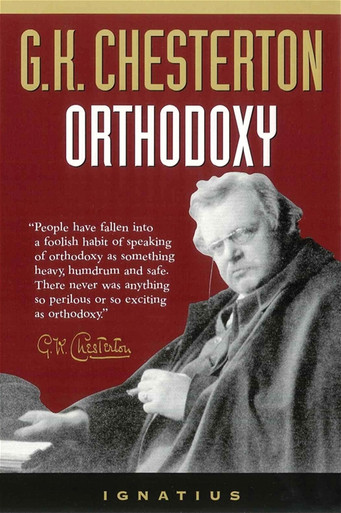
Chesterton retraces his discovery of Christian belief through wonder, paradox and common sense. Read it as an intellectual adventure rather than a systematic catechism.
A policeman’s pursuit of anarchists turns into a dreamlike mystery about order, fear and the meaning of the world. Its surprises invite a second reading.
An exuberant stranger disrupts a boarding house and forces its residents to reconsider their assumptions about sanity, freedom and the wonder of ordinary life.
A Christian and an atheist attempt to settle their quarrel through a duel. Their encounters become a comic exploration of conviction, reason and a society afraid of serious disagreement.

Chesterton’s epic poem imagines Alfred’s struggle against the Danes through a vision of Christian hope, courage and the repeated work of preserving a civilization.
Chesterton considers Francis through the freedom of radical gratitude and poverty. A vivid spiritual portrait rather than an exhaustive scholarly biography.