ApologeticsPublished recommendation
Five Proofs of the Existence of God
Feser develops five philosophical arguments for God’s existence, inviting readers into sustained reasoning rather than brief apologetic slogans.

Trent Horn is a Catholic Answers apologist, author and host of The Counsel of Trent podcast.
His apologist’s book list helps readers investigate faith and answer objections. Some selections are specialist works by non-Catholic authors.
52 verified · 0 secondary evidence · 0 unverified
Fifty-two clearly identified recommendations represented. This is not claimed as every title mentioned in the episode.
Feser develops five philosophical arguments for God’s existence, inviting readers into sustained reasoning rather than brief apologetic slogans.
DeRosa responds to common atheist arguments and slogans, offering a Catholic apologetic approach to questions about God and belief.
Two cosmologists explore the apparent fine-tuning of the universe, asking what its physical conditions suggest and how they might be explained.
Baggett and Walls develop a moral argument for God, connecting questions of goodness and obligation with a theistic worldview.

Rasmussen builds a philosophical case for God through reason, inviting readers to follow an extended argument about reality’s foundation.
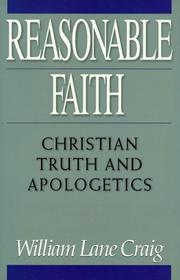
Craig presents a systematic defense of Christian belief, bringing philosophical arguments together with historical questions about Jesus.

Davies introduces central questions in the philosophy of religion, providing a framework for examining belief and its critics.
Habermas and Licona present historical arguments for Jesus’ Resurrection, offering readers an apologetic case to examine step by step.
Pitre examines Gospel evidence about Jesus’ identity, addressing questions about the reliability and meaning of the biblical accounts.
Eddy and Boyd examine claims that the Gospel portrait of Jesus developed as legend, presenting their historical response.

Loke investigates arguments concerning Jesus’ Resurrection, comparing explanations of the evidence within a focused historical and philosophical study.
Horn addresses difficult biblical passages, helping readers examine objections concerning Scripture’s meaning and moral claims.
Notes and study materials accompany the New Testament, providing Catholic context for reading its books more closely.
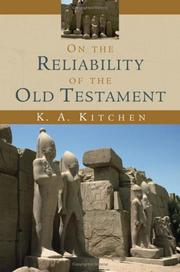
Kitchen examines the historical reliability of the Old Testament, presenting a scholarly argument about its ancient setting and records.
Bergsma and Pitre introduce the Old Testament’s books through a Catholic framework, bringing historical study into conversation with theological interpretation.
Akin examines the Bible’s relationship to the Catholic Church, addressing its formation and its place in Catholic belief.
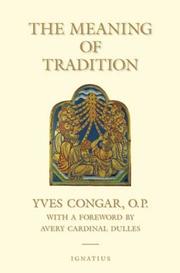
Congar explores what Christian tradition means, asking how the faith is received, lived, and passed from one generation to another.
Michuta examines differences between Catholic and Protestant biblical canons, offering historical context for the disputed books.

Akin explains Catholic teaching authority, helping readers distinguish kinds of Church teaching and the responses they call for.
Contributors argue against Scripture alone as a sufficient rule of faith, presenting a Catholic case concerning authority and tradition.
Salza and Siscoe address disputed questions about papal legitimacy, heresy, and authority. A specialized argument rather than an introductory guide.

Short apologetic entries provide daily material for considering objections and questions about Catholic belief.
Horn presents arguments for Catholicism and responds to objections, offering a broad resource for readers examining the Church’s claims.
Heschmeyer argues for continuity between early Christianity and Catholic belief, directing readers toward the Church’s formative centuries.

Selections from early Christian writers are organized around doctrinal questions, offering a reference for exploring patristic testimony.

Weidenkopf responds to disputed accounts of Catholic history, presenting a corrective argument from a Catholic apologetic perspective.
Broussard addresses Protestant objections to Catholic teaching, organizing responses around the biblical passages raised in those disagreements.
An introduction to the papacy explains its role and significance, giving readers a starting point for questions about Catholic leadership.
Heschmeyer makes a biblical case for Peter’s role in the papacy, examining the apostle’s place in the New Testament.
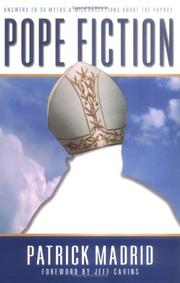
Madrid addresses objections and misconceptions about the papacy, presenting a Catholic defense of its claims and history.
Ybarra examines the Catholic–Orthodox debate over the papacy, offering an extensive argument about authority and Christian unity.
Broussard presents arguments for purgatory and responds to objections, connecting the doctrine with questions about purification and salvation.
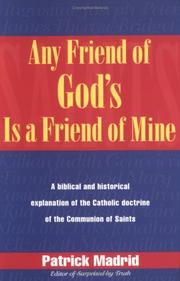
Madrid explains Catholic devotion to the saints, addressing objections to asking their intercession and honoring their witness.

Staples offers a biblical defense of Catholic Marian teaching, working through common objections about Mary’s role.

Akin explores salvation through Catholic teaching, addressing questions about grace, faith, works, and humanity’s response to God.

Barber introduces the Catholic understanding of salvation, connecting biblical teaching with the transformation of Christian life.
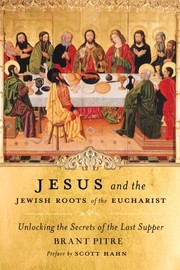
Pitre places Eucharistic belief against its Jewish biblical background, exploring how that setting illuminates Jesus’ words and actions.
Nash explores scriptural foundations for the Mass, helping readers connect familiar worship with biblical texts and themes.
Horn considers how to discuss abortion persuasively, focusing on arguments and conversations from a pro-life perspective.
Connors presents a pro-life approach to conversations about abortion, directing attention to the questions that shape the disagreement.
Connors examines assisted reproduction from a pro-life perspective, inviting reflection on the ethical questions surrounding the creation of human life.
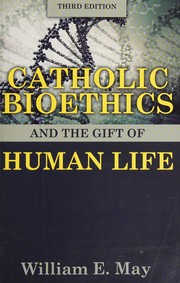
May explores bioethical questions through Catholic moral teaching, examining how respect for human life informs difficult decisions.

Kaczor develops a philosophical argument about abortion, examining disputed questions of moral status and human dignity.
Anderson presents an argument about marriage and the consequences of redefining it, writing from a traditional-marriage perspective.
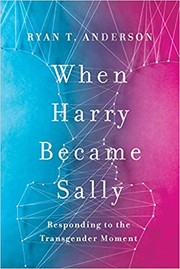
Anderson examines debates about gender identity and transition, presenting a critical argument about their philosophical and social assumptions.
Anderson and DeSanctis argue against abortion through its effects on individuals and society, offering a work of pro-life advocacy.
A systematic treatment of sexual ethics presents arguments within the Catholic moral tradition, suited to readers seeking sustained study.
Miller and Horn help parents discuss moral questions with children, presenting guidance grounded in Catholic teaching.
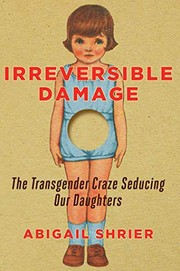
Shrier investigates adolescent gender transition through a critical journalistic argument. Readers should distinguish its advocacy from individualized clinical guidance.
Fradd argues against pornography using nonreligious arguments, examining its claimed benefits and effects on people and relationships.
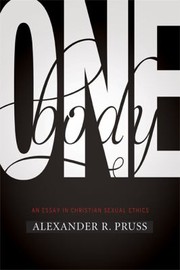
Pruss develops a philosophical account of Christian sexual ethics, examining the moral significance of bodily union and commitment.

Gagnon examines biblical texts concerning same-sex sexual conduct, presenting a detailed argument for a traditional Christian interpretation.