
LiteraturePublished recommendation
The Lord of the Rings
A fellowship undertakes a desperate journey through Middle-earth. Friendship, mercy, temptation and sacrifice give its great adventure lasting moral depth.

Taylor Marshall is a Catholic author and the founder of the New Saint Thomas Institute.
His lifetime reading list emphasizes Catholic theology, philosophy and the spiritual tradition, with a particular interest in St. Thomas Aquinas.
71 verified · 0 secondary evidence · 4 unverified
Original PDF checked; the catalog does not yet reproduce every selection in it.
A fellowship undertakes a desperate journey through Middle-earth. Friendship, mercy, temptation and sacrifice give its great adventure lasting moral depth.
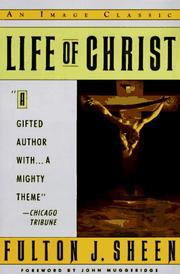
Fulton Sheen meditates on the life, teaching, death and resurrection of Jesus. A sustained encounter with Christ through the Gospel narrative.

Lewis considers how suffering can coexist with belief in a good God. A philosophical exploration rather than a promise of easy consolation.
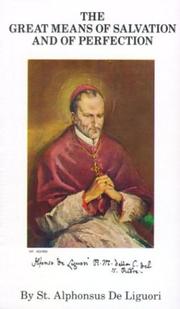
Liguori presents prayer as essential to salvation and growth in holiness, urging readers to make dependence on God habitual.

Rohrbach introduces mental prayer through conversation with Christ, offering a practical approach for readers beginning a more regular prayer life.

A sustained appeal to the necessity of prayer, connecting the practice of turning to God with salvation and spiritual growth.

An adapted presentation of Catherine of Siena’s spiritual dialogue. Check the edition carefully when choosing between an accessible adaptation and the complete text.

Kreeft introduces logic through questions, arguments, and classical principles, helping readers examine how sound reasoning works.

Private reflections by a Roman emperor explore duty, mortality, self-command, and living well within circumstances one cannot control.
Aristotle’s collected works offer a wide-ranging foundation for studying philosophy, from ethics and logic to nature and metaphysics.

Plato’s collected works invite sustained exploration of the dialogues and their questions about knowledge, justice, love, and the good life.

Manelli examines Mary through Scripture, offering a biblical approach to Marian theology and devotion.

A thirty-three-day retreat prepares readers for Marian consecration through daily reflection and prayer.

Pius IX’s apostolic constitution defines the Immaculate Conception, providing the papal document behind a central Marian dogma.

A theological and spiritual study of Mary considers her relationship to Christ’s saving work and to the believer’s interior life.

Waugh’s historical novel follows Helena, mother of Constantine, bringing wit and religious imagination to a search associated with the Holy Cross.

Poems and prose offer an introduction to Hopkins’ distinctive language, attentive observation, and religious imagination.

Marshall explores Rome’s place in the origins of Catholic Christianity, focusing attention on the historical setting of the Church.

An interpretation of Paul from a Catholic perspective considers the apostle’s teaching in relation to the origins of Catholic belief.
Marshall examines Christianity’s Jewish roots, inviting readers to consider Catholic beliefs and practices against their biblical background.

A study of Garrigou-Lagrange introduces the theologian and his place in Thomism, offering context for readers approaching his own works.

Garrigou-Lagrange presents a synthesis of Thomistic philosophy and theology, providing a structured overview for sustained study.

The catechism associated with the Council of Trent presents Catholic teaching in a form shaped for instruction in the faith.

A searching autobiography addressed to God: Augustine follows desire, ambition and grace from his youth through conversion. Later books turn to memory, time and creation.

Stein’s essays examine womanhood and vocation, bringing philosophical reflection into conversation with education and Christian life.

Sertillanges considers the habits and conditions that sustain serious study, treating intellectual work as a disciplined way of life.

Rice introduces natural law through questions and answers, connecting moral reasoning with debates about how people should live together.

Sheen reflects on marriage as a relationship involving husband, wife, and God, connecting love with the sacramental life.

Scupoli presents spiritual struggle as a daily discipline, inviting readers to examine temptation and cultivate trust in God.

Perquin explores relationship with God as Father, inviting readers to deepen the personal meaning of a familiar Christian prayer.

Written near the end of More’s life, this meditation on Christ’s agony considers fear, faithfulness, and prayer under pressure.

Martínez explores devotion to the Holy Spirit, connecting the Spirit’s work with growth in holiness and prayer.

Granada calls readers toward repentance and a virtuous life, presenting spiritual instruction aimed at a serious change of heart.

A short spiritual work invites readers to seek peace by conforming their desires to God’s will, including amid disappointment.

A detailed account of spiritual growth traces the interior life through its traditional stages, drawing on major theological and mystical teachers.

Faber explores devotion to Jesus through the many ways love can shape a Christian life, offering expansive spiritual reflection.

Francis de Sales offers practical spiritual counsel for people living in the world. Prayer, work, friendship and ordinary obligations all belong within a devout life.

Montfort develops a Christ-centered spirituality of devotion and consecration to Mary. Historical language benefits from patient reading and context.

Reflections on receiving the present moment in trust and surrender to God. The text invites readers to seek holiness within ordinary circumstances.

Chautard argues that Christian service must be nourished by an interior life. A searching companion for readers whose activity has crowded out prayer.

Burke examines marriage through the connection between love, commitment, and happiness, offering a Catholic reflection on the marital covenant.

Boylan presents Christian life as a response to Christ’s love, connecting personal prayer with the believer’s place in his body, the Church.

A practical treatment of obstacles in mental prayer addresses readers who find interior prayer difficult or discouraging.

Baur invites readers into silence with God, offering material for reflective prayer and the cultivation of an interior life.

Baur considers regular confession as part of spiritual growth, directing attention to the sacrament’s place in ongoing Christian formation.

Aumann offers a systematic introduction to spiritual theology, examining the principles and practices of growth toward holiness.

Brief spiritual counsels on humility, detachment and following Christ. Its direct, demanding voice invites reflection rather than hurried reading.

Thérèse’s account of ordinary love and trust in God introduces her “little way.” Small acts become a serious response to the call to holiness.

Teresa describes the soul’s deepening life of prayer through the image of a castle with many dwellings. A guide to contemplative life, best read slowly.

A sweeping account of humanity and Christianity that asks what makes the human person—and the person of Christ—different.

Memory, friendship and a Catholic family frame this novel of longing and grace. Its religious meaning unfolds through flawed people rather than neat lessons.

A historical novel set in Nero’s Rome places love and early Christian witness against the violence and power of the imperial world.

Percy uses the form of a self-help book to unsettle comfortable ideas about identity, language and modern life. Satire opens into serious philosophical questions.

Eliot considers the relationship between Christianity and culture, exploring how belief relates to the shape of a society.

A young rural priest records his loneliness, difficulties, and encounters with grace in a novel attentive to hidden spiritual life.
![Cover of Lord of the World [Facsimile of 1907 First British Edition]](https://covers.openlibrary.org/b/isbn/1614277915-M.jpg?default=false)
Benson imagines a future confrontation between Catholic faith and a powerful secular order, creating a religious dystopia about allegiance and hope.

Dante’s poetic journey through Hell, Purgatory and Paradise explores sin, purification and divine love. A translation with good notes helps unlock its historical references.

Walsh recounts the events associated with Our Lady of Fatima, offering a historical and devotional treatment of the apparitions.

Knox examines religious movements marked by intense claims of spiritual inspiration, offering a historical study of enthusiasm and its difficulties.

Belloc examines major challenges to Christian orthodoxy, interpreting their religious claims and historical consequences from a Catholic perspective.

Pieper explores prudence, justice, courage, and temperance as habits of a good life, bringing classical philosophy into conversation with Christian thought.

A systematic reference to Catholic doctrine, connecting theological claims with Scripture and tradition. Best suited to readers seeking precise explanations and deeper study.

Guardini reflects on the person and life of Jesus through the Gospels. Its chapters invite meditation as well as theological attention.

Augustine considers the purposes of earthly society and the city of God against the upheaval of Rome. A long work of theology, history and moral reflection.
Chesterton introduces Thomas Aquinas through a lively portrait of his character and thought. An inviting doorway into a much larger philosophical world.
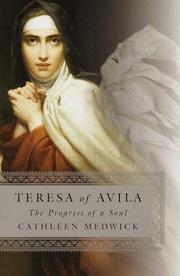
Medwick offers a biography of Teresa of Avila, providing historical and personal context for the Carmelite reformer and spiritual writer.
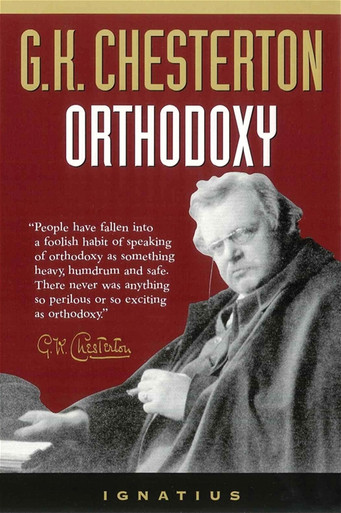
Chesterton retraces his discovery of Christian belief through wonder, paradox and common sense. Read it as an intellectual adventure rather than a systematic catechism.

Sheed closely considers the person and life of Jesus, encouraging readers to move beyond familiarity toward a more attentive encounter.

A concise introduction to major Catholic doctrines, written to help ordinary readers understand what they profess in the Creed.

Crocker presents a broad, celebratory history of the Catholic Church, offering a strongly voiced narrative to read alongside its historical claims.

Sheed connects Catholic doctrine with a coherent understanding of reality. An ambitious introduction to thinking clearly about God and the human person.

Lewis builds a case for shared Christian belief from moral experience, then explores faith, conduct and the transformation of the person. It is not a specifically Catholic catechism.
A vast, question-by-question exploration of God, creation, human action and Christ. Best approached with a guide or a carefully chosen sequence of questions.
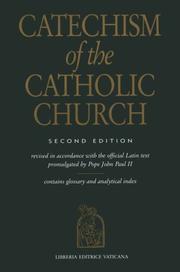
The Church’s systematic exposition of faith, sacraments, moral life and prayer. A reference to return to alongside other reading.
Chesterton considers Francis through the freedom of radical gratitude and poverty. A vivid spiritual portrait rather than an exhaustive scholarly biography.