
LiteraturePublished recommendation
The Lord of the Rings
A fellowship undertakes a desperate journey through Middle-earth. Friendship, mercy, temptation and sacrifice give its great adventure lasting moral depth.

Joseph Pearce is a Catholic author and literary biographer who writes about classic literature and the writers behind it.
His book guides help readers discover the moral and spiritual questions within great novels, plays and poetry.
37 verified · 0 secondary evidence · 0 unverified
Complete twelve-book guide; 30/50 selections from the fifty-book guide verified. Five works overlap.
Twelve Great Books: 12 of 12 selections checked
Classic Literature Made Simple: 30 of 50 selections checked
A fellowship undertakes a desperate journey through Middle-earth. Friendship, mercy, temptation and sacrifice give its great adventure lasting moral depth.
A grieving prince investigates his father’s death. His pursuit of revenge draws the court into questions of conscience, truth and responsibility.

Pilgrims exchange stories on the road to Canterbury in Chaucer’s lively portrait of human motives, social life, and religious culture.

A searching autobiography addressed to God: Augustine follows desire, ambition and grace from his youth through conversion. Later books turn to memory, time and creation.
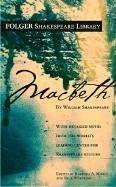
A promised crown awakens murderous ambition. Macbeth follows the consequences of choosing power over conscience.

Two lovers struggle to marry amid coercion, upheaval, and plague in seventeenth-century Lombardy. Manzoni’s novel explores providence, injustice, and forgiveness.

Memory, friendship and a Catholic family frame this novel of longing and grace. Its religious meaning unfolds through flawed people rather than neat lessons.

Undset follows a woman’s life in medieval Norway through love, family, failure, and faith, giving moral choices their full human weight.

An idealistic knight and his practical companion travel through adventures that test the boundaries between imagination, dignity, and delusion.

Dante’s poetic journey through Hell, Purgatory and Paradise explores sin, purification and divine love. A translation with good notes helps unlock its historical references.
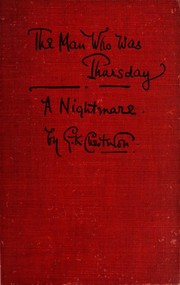
A policeman’s pursuit of anarchists turns into a dreamlike mystery about order, fear and the meaning of the world. Its surprises invite a second reading.
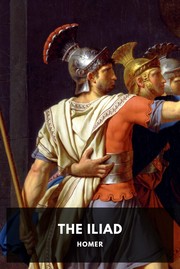
Achilles’ anger unfolds within the Trojan War, where honor, grief, mortality, and compassion shape Homer’s epic of human conflict.
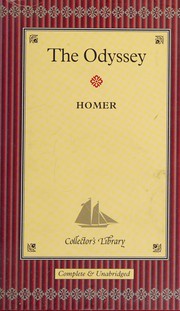
Odysseus struggles to return home through danger and temptation, while his household waits in an epic of endurance and recognition.
Antigone’s duty to her dead brother clashes with a ruler’s decree, creating a tragedy about conscience, authority, and competing obligations.
A king’s search for the cause of his city’s suffering turns toward his own identity in a tragedy of knowledge and responsibility.

The aged Oedipus seeks a final place of refuge, bringing his suffering and estrangement toward an unexpected conclusion.
Aeneas carries the losses of Troy toward a new homeland, in an epic where duty and destiny demand personal sacrifice.
A hero faces monsters and the limits of earthly strength in an Anglo-Saxon poem haunted by loyalty, mortality, and remembrance.
A strange challenge sends Gawain into a test of courage and honesty, where knightly reputation meets human vulnerability.
Two young lovers attempt to build a life across a family feud. Their tragedy reveals how inherited hatred can destroy what people most cherish.
A dangerous loan brings friendship, religious hostility, justice and mercy into conflict. The courtroom scene rewards close attention to what each character asks of others.
Falstaff’s pursuit of two married women meets a coordinated response. A domestic comedy about deception, jealousy and the limits of self-importance.
Conspirators claim to defend Rome by killing Caesar. Their choices test political loyalty, persuasive speech and the gap between intention and consequence.
A shipwreck and a disguise entangle a household in mistaken love. Beneath the comedy lie loneliness, pride and the need to recognize another person.
Iago turns insinuation into a weapon against Othello’s marriage. A tragedy about jealousy, trust and the willingness to believe a destructive story.
An aging king confuses flattery with love and divides his kingdom. Loss strips away his authority and exposes human vulnerability.
Love and imperial ambition pull Antony between Egypt and Rome. Private attachment and public duty become inseparable in this political tragedy.
An exiled ruler uses a storm to bring his enemies within reach. The island becomes a place to consider freedom, power and forgiveness.
Milton’s epic retells humanity’s fall, giving poetic form to rebellion, freedom, temptation, and the problem of obedience.
Gulliver’s voyages expose human vanity and political folly through strange societies, making fantastic travel the vehicle for sharp satire.
Two sisters respond differently to love and disappointment. Austen’s comedy tests both emotional self-command and the judgments people make about one another.
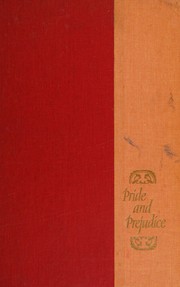
Elizabeth Bennet and Mr. Darcy must reconsider their first judgments. Courtship unfolds amid family pressures, social rank and the difficult work of knowing oneself.

A scientist brings a creature to life and abandons it. Their conflict asks what a creator owes his creation and what happens when suffering becomes revenge.
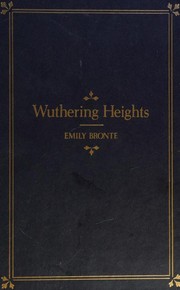
Love and resentment bind two families across generations. The novel explores the damage caused when attachment becomes possession and grievance becomes a way of life.

Scrooge is forced to confront his past, his neighbors’ lives and the future he is making. A short tale of repentance expressed through generosity.

A young man’s portrait bears the marks of choices that leave his own face untouched. Wilde separates outward beauty from moral character and asks whether consequences can remain hidden.
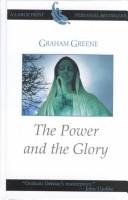
A flawed priest in a persecuted Church confronts fear, failure, and the demands of his vocation in Greene’s searching religious novel.